
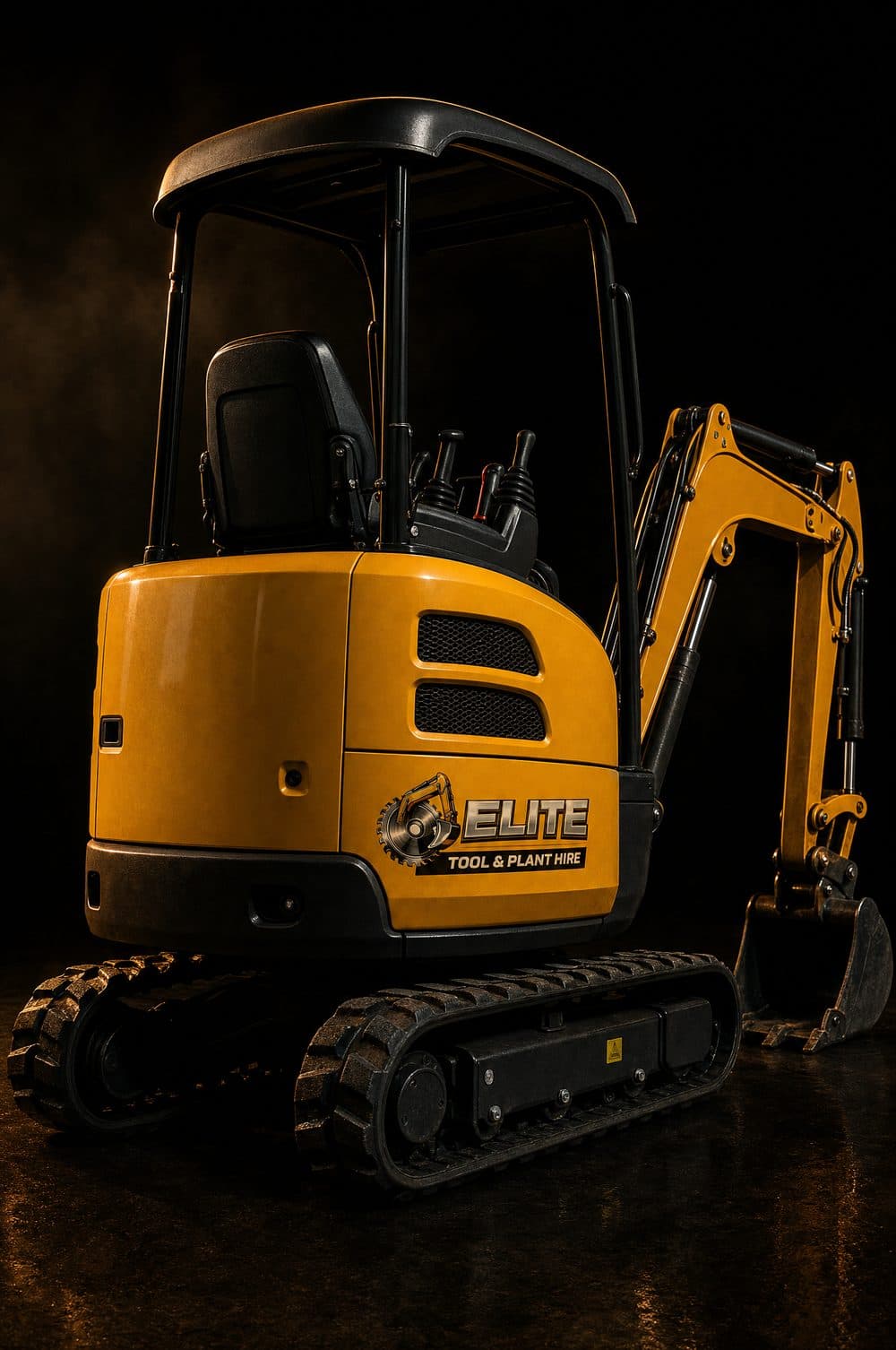
How to use a wacker plate on a type 1 sub-base
The plate does the vibrating. Your job is the layers, the moisture and the route. How to compact MOT type 1 so a drive or patio stays where you laid it.
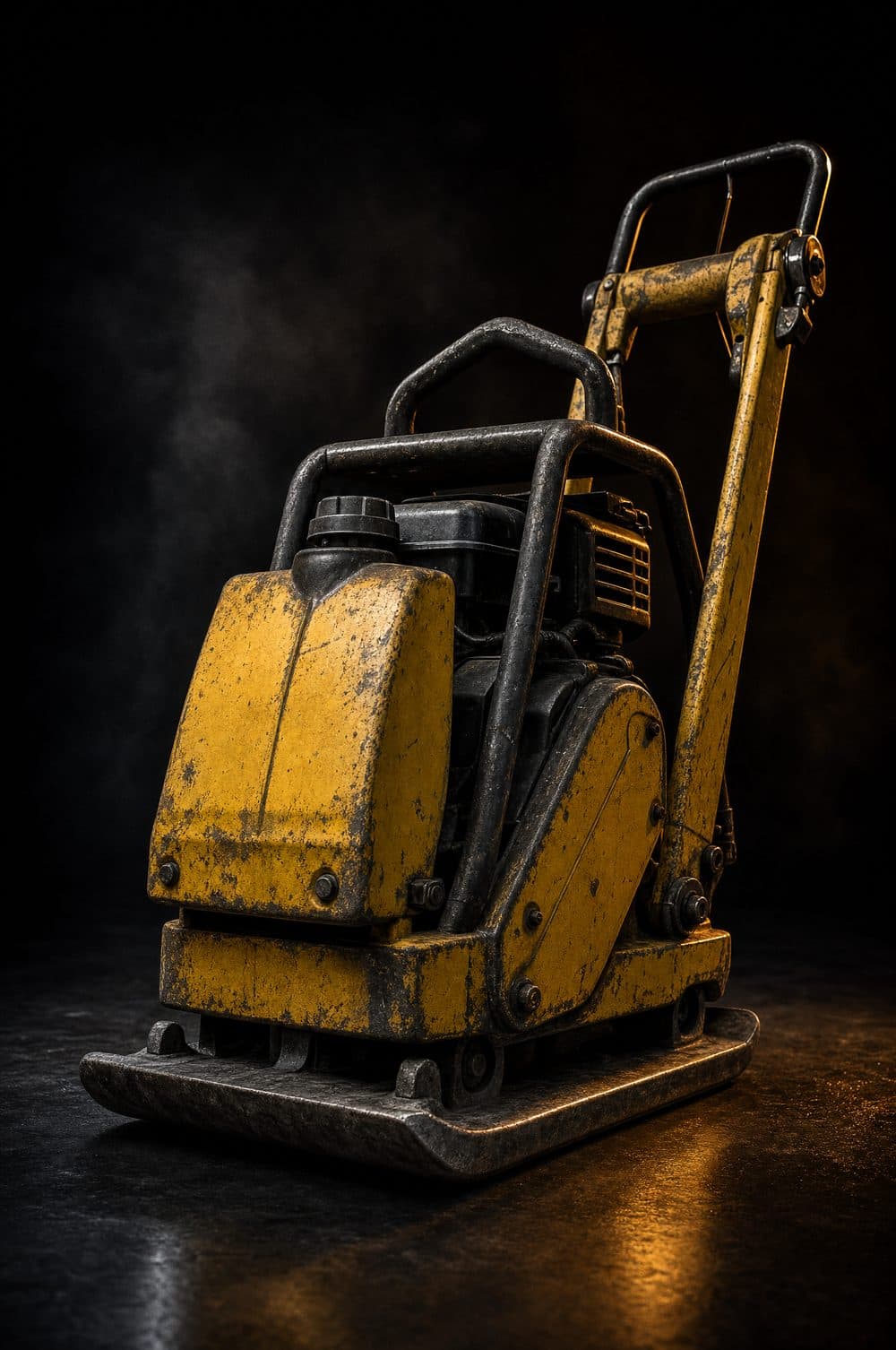
A wacker plate, or plate compactor, is one of the most hired machines on our yard and one of the most misused. Run properly, it turns loose stone into a base that a drive, a patio or a shed can sit on for years. Run over one deep pile of stone, it leaves a firm crust on top of nothing, and the blocks start to dip the first winter the car parks on them.
The good news is that it is not difficult. The plate does the vibrating. Your job is the layers, the moisture and the route you walk it. Here is how to do each one properly.
What a wacker plate does, and what it is not for
A forward plate vibrates granular material, such as MOT type 1, sand and gravel, so the pieces settle into each other and lock into a dense layer. That is what stops a sub-base moving under load.
It is not the machine for heavy clay. On clay a plate bounces rather than compacts, so if that is what you are working with, ring the yard and tell us the material before you hire. It is also not a fix for a soft spot. If the ground under the base is wet or spongy, dig it out and replace it with stone before you compact anything.
Before you start the wacker plate
- Dig out to the depth your base needs, and dig out any soft spots underneath it.
- Know where your edges are. Pegs and a string line at the finished level save you guessing as the layers go in.
- Wear ear protection, eye protection, gloves and proper boots. It is loud, it throws grit, and trainers are no defence against a plate edge.
- Plan to have two of you to lift it on and off a vehicle, or use a tail lift. It is heavier than it looks.
- Clear the area of anyone who does not need to be there, especially children and pets.
How to compact MOT type 1 in layers
This is the step that decides whether the job lasts. A plate can only compact so far down, so the stone has to go in thin layers, each one compacted before the next goes on top.
- Spread the first layer of type 1 to between 75 and 100mm deep. Rake it roughly level.
- Check the moisture. Slightly damp stone compacts far better than bone dry. If it is dusty, give it a light spray with a hose. If it is standing wet, wait: saturated stone does not compact, it pumps.
- Compact the layer (how to run the plate is below) until a pass leaves no mark and the stone stops moving under the plate.
- Spread the next layer and repeat, until you reach the depth you need.
- Leave each layer a little proud of where you want it, because compaction brings the level down. Check against your string line as you go.
One pass over 300mm of loose stone is the single most common mistake we see. It feels solid underfoot, and it sinks later.
How to use a wacker plate, pass by pass
- Start the engine on firm, level ground with the throttle at idle. Once it is running, open the throttle fully before you set off. A plate is built to work at full revs, and at half throttle it hops and drags rather than compacts.
- Let the plate pull itself forward. Your job is to steer with the handle and walk behind it, not to push it.
- Work around the edges first, then fill in the middle in straight lines.
- Overlap each pass slightly over the last one, so there is no strip left uncompacted between them.
- Go over each layer more than once, ideally in two directions, crossing your first set of passes.
- Keep moving. Leaving a running plate in one spot vibrates a dip into the base.
- On a slope, work straight up and down it, never across it, and keep your feet clear of the plate at all times.
- Take breaks. The handle vibrates, and a long day on a plate is tiring on the hands and arms.
Compacting block paving after it is laid
Once the blocks are down on their sand bed, a plate goes over them again to settle them in. Do this only with a protective pad fitted under the plate, because bare steel chips and scuffs the surface of the blocks. If you need one, ask at the yard when you book.
Brush kiln dried sand into the joints, run the plate over the blocks, then brush in more sand and go over them again. The vibration draws the sand down into the joints and locks the blocks together.
Common wacker plate mistakes
- One deep layer instead of several thin ones.
- Stone that is bone dry, or so wet it pumps.
- Trying to compact clay or topsoil with a forward plate.
- Running it at half throttle.
- Stopping in one place and digging a hollow.
- Missing the edges, which is exactly where a drive starts to sink.
- Running it over finished paving with no pad fitted.
Wacker plate hire in Stoke-on-Trent
We hire plates in several sizes, so tell us the area and what you are laying and we will match the plate to the job. Most compaction jobs need more than the plate, too: a micro digger to dig the base out, a breaker for whatever concrete is there now, and a 1 tonne dumper to get the type 1 from the drive to where it goes.
Ring the yard on 07448 856 620, or see our wacker plate hire in Stoke-on-Trent page. Collect from Leek Road in Hanley or have it delivered, and everything else we have is on our tool hire in Stoke-on-Trent page.
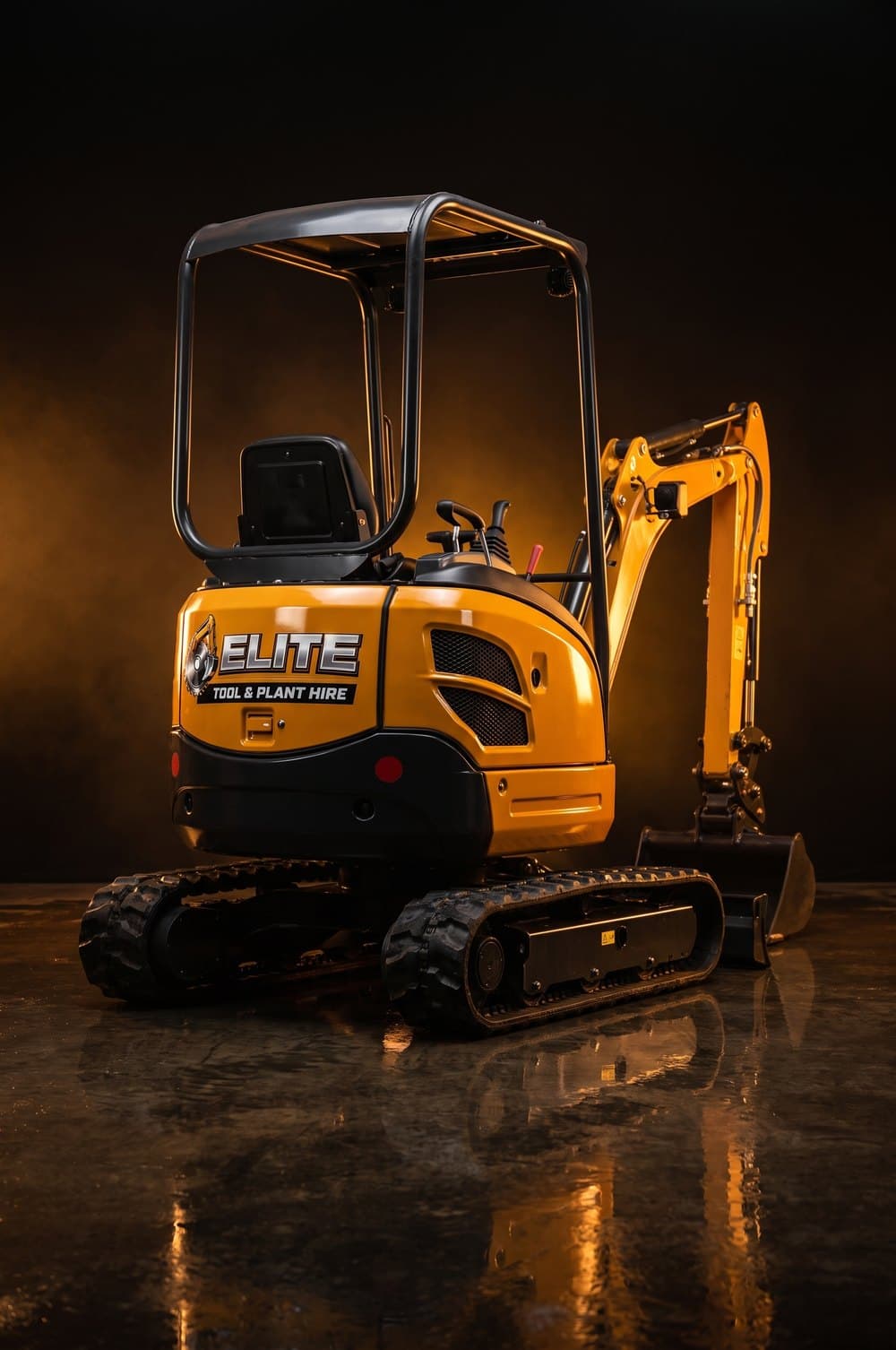
Mini digger sizes: micro, mini and 3 tonne compared
Most people choose a digger by the size of the hole. Choose it by the narrowest point on the way in, then by the job. The three sizes on our yard, side by side.
Read the guide
How to level a garden: the machines and the order of work
A few dips need a bag of top dressing, not a digger. A real slope needs the turf off, the topsoil saved and the ground cut and filled in the right order. Both, step by step.
Read the guide